FA Greenlights WSL Academy Sides for National League
August 26, 2026 · Francisco Torres
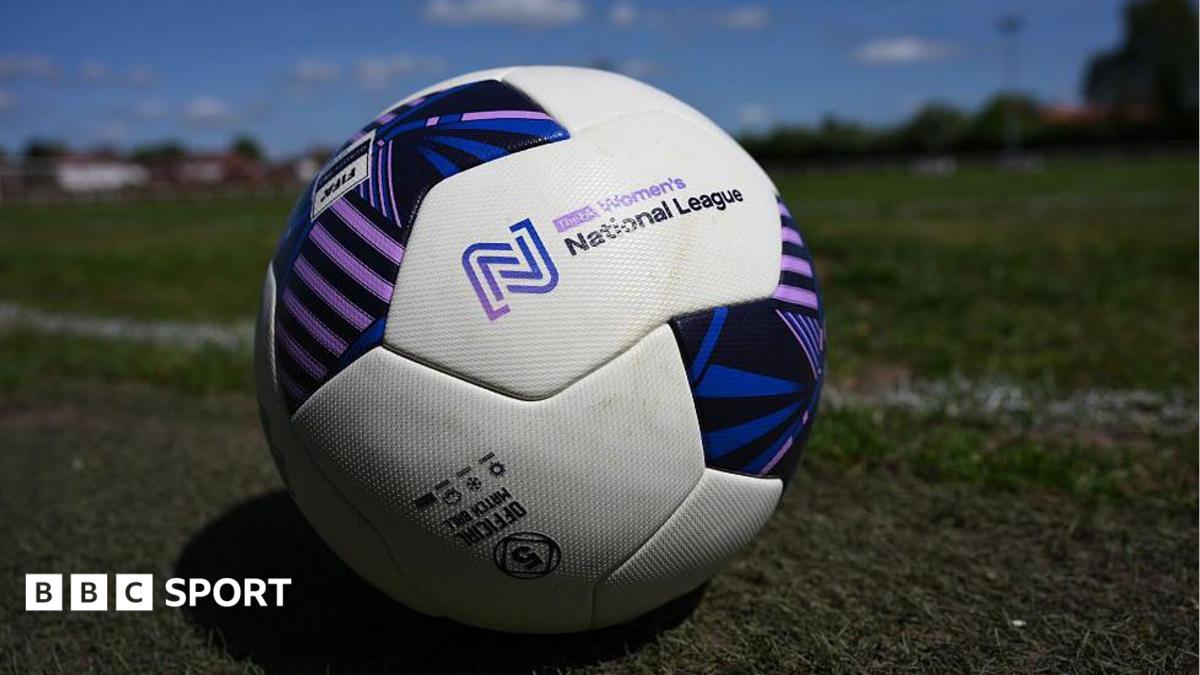
The FA has approved a proposal allowing Women's Super League academy sides to compete in tier three of the football pyramid starting from the 2027-28 season, aiming to enhance youth development in women's football.
FA Greenlights WSL Academy Sides for National League
According to Bbc.
Background
Sonia Bompastor, a prominent figure in women's football, may play a crucial role in shaping the future of the game as these reforms take effect. As the Women's Super League continues to grow, the impact of such changes could influence the careers of players like Bompastor and her peers, ultimately enhancing the season outlook for clubs and players alike.
Why this matters
The FA's decision to allow Women's Super League academy sides to compete in tier three represents a pivotal shift in the landscape of women's football in England. By enhancing the development pathway for young players, this reform aims to elevate the overall standards within the Women's Super League and the Women's National League. The inclusion of academy teams is expected to provide more competitive opportunities, which is crucial for nurturing future talent in the sport.
Key Takeaways
- FA Greenlights WSL Academy Sides for National League.
- The FA has approved a proposal allowing Women's Super League academy sides to compete in tier three of the football pyramid starting from the 2027-28 season, aiming to enhance youth development in women's football.
- Sonia Bompastor remains central to Chelsea's plans.
Sue Day, the FA's director of women's football, emphasized the importance of these changes for the growth and sustainability of the women's game. "The women's game has reached an important moment in its development, and these changes are about ensuring it continues to thrive for decades to come," she stated. The reforms are expected to create more opportunities for young English players, ultimately enhancing the national team's success and increasing the game's visibility at all levels.
Chelsea manager Sonia Bompastor expressed her support for the reforms, having advocated for structural changes to support youth development during her tenure at Lyon. She believes that integrating academy sides into the third tier is crucial for nurturing future talents. Chelsea and England defender Lucy Bronze echoed these sentiments, highlighting her experiences in France and Spain, where similar structures have proven successful.
This strategic move aims to align English women's football with successful European models, ensuring young players receive regular, competitive match experience. As women's football continues to grow globally, the FA's initiative could set a new standard for youth development within the sport.
What happens next
As the FA prepares to implement these reforms by the 2027-28 season, criteria for selecting the four Professional Game Academy teams will be established in the coming months. This initiative will be closely monitored, with annual reviews to assess its match impact on player development and the overall competitiveness of the leagues. The FA's commitment to central funding for Women's National League clubs and the creation of WNL club academies will further support this initiative.
Frequently Asked Questions
What is the FA's recent decision regarding WSL academy sides?
The FA has approved a reform allowing Women's Super League (WSL) academy sides to compete in tier three of the football pyramid starting from the 2027-28 season.
How will this reform impact the Women's National League?
The reform aims to enhance the development pathway for young players and improve standards within the women's football pyramid, despite initial opposition from many Women's National League (WNL) clubs.
Will WSL academy teams be able to earn promotion in the National League?
No, the WSL academy teams will not be eligible for promotion in the National League.
What are the expected benefits of this reform for young players?
The reform is expected to create more competitive playing opportunities for young English players, enhancing their development and the overall quality of women's football.
Who is Sonia Bompastor and what is her role in this context?
Sonia Bompastor is a player mentioned in the article, but her specific role in relation to the reform or the teams involved is not detailed.

