Liverpool and Norway: A Historical and Football Bond
July 13, 2026 · Alfonso García
The article explores the historical ties between Liverpool and Norway, highlighting the cultural and football connections as they prepare for a World Cup quarter-final.
Liverpool and Norway: A Historical and Football Bond
According to Bbc.
Background
The match between England and Norway in the World Cup 2026 quarter-final serves as a reminder of the long-standing relationship between these two footballing nations. Liverpool's historical connections with Norway, from Viking invasions to cultural exchanges, provide a rich backdrop to this encounter. As both teams compete, the significance of their shared history adds an intriguing layer to the football narrative.
Why this matters
The historical ties between Liverpool and Norway highlight the cultural and social connections that have evolved over centuries, particularly as England prepares to face Norway in the World Cup 2026 quarter-final. This match not only represents a sporting event but also a celebration of shared heritage, which is significant for fans and players alike. Understanding this bond enriches the narrative of football, especially as both nations aim for success on the world stage.
Key Takeaways
- Liverpool and Norway: A Historical and Football Bond.
- The article explores the historical ties between Liverpool and Norway, highlighting the cultural and football connections as they prepare for a World Cup quarter-final.
- England feature in the latest World Cup 2026 developments.
Culturally, the Norwegian mariners introduced 'lobscouse,' a hearty meat and vegetable dish, to the people of Liverpool. Over time, the dish evolved into 'Scouse,' a staple of Liverpool cuisine and a term of identity for its people. By the 1940s, as another wave of Norwegians arrived to join the military efforts of World War Two, the term had become ingrained in local culture.
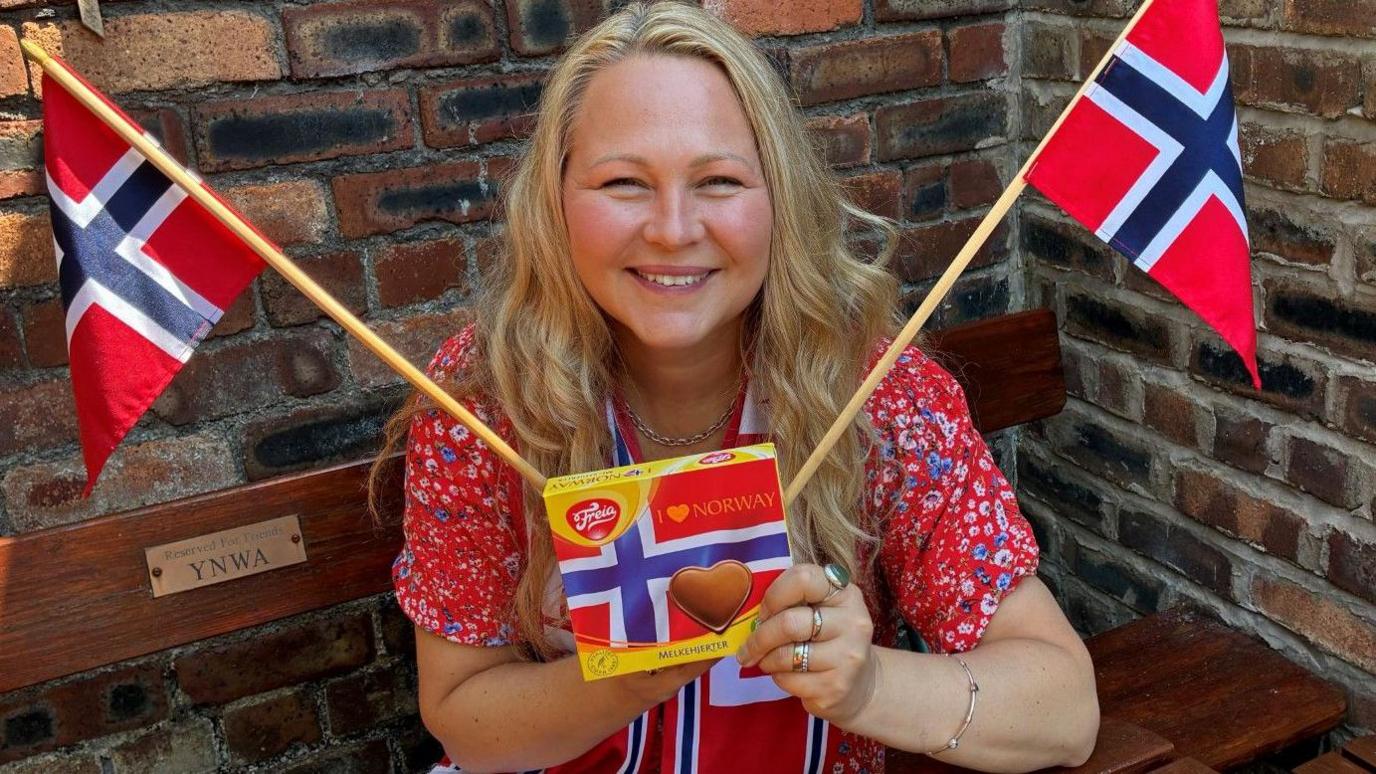
Fast forward to July 2026, and the cultural exchange takes on a new dimension as Liverpool fan Ragnhild Lund Ansnes travels to Oslo to support Norway in their World Cup quarter-final against England. For Lund Ansnes, it's a historic moment to see Norway, a nation of 5.5 million, advance so far in the tournament. "It's amazing to see how well a team can perform through collective effort," she says.
Mari Lunde, a journalist with the Norway Liverpool Supporters' Club, echoes this sentiment. "I'm supporting Norway all the way," she declares, noting Oslo's vibrant atmosphere during the World Cup. She acknowledges the bittersweet nature of the potential outcomes, expressing hope for her home country's success, yet also recognizing the significance of England potentially reclaiming the world champion title after many years.
The ties between Liverpool and Norway, forged in history and celebrated through football, continue to endure, providing a rich narrative as these two nations meet on the global stage.
What happens next
As England and Norway clash in the World Cup 2026 quarter-final, fans will be keenly watching how this historical connection influences the match atmosphere. The outcome could have implications for both teams' journeys in the tournament, with England looking to assert their dominance and Norway aiming to make a statement. Regardless of the result, this match will further deepen the cultural ties that have long existed between Liverpool and Norway.
Frequently Asked Questions
What happened in the match between England and Norway?
England faced Norway in the World Cup quarter-final.
Who confirmed the historical ties between Liverpool and Norway?
Liz Stewart, head of the Museum of Liverpool, confirmed the historical ties.
Why is the match significant now?
The match is significant as it highlights a deep-seated relationship between England and Norway that dates back over a thousand years.
What changes occurred in Liverpool during the Industrial Revolution?
Liverpool grew significantly during the Industrial Revolution, becoming a major trading center and seeing an influx of Norwegians traveling through the city.
What cultural impact did Norwegian mariners have on Liverpool?
Norwegian mariners introduced 'lobscouse,' which evolved into 'Scouse,' a staple of Liverpool cuisine and a term of identity for its people.
Related Articles
TAGS
Related Stories

El espectacular anuncio de Oasis con drones sobre el Etihad
Oasis, tras su separación, vuelve a los escenarios y tiene planes de gira para 2027, incluyendo posibles fechas en Barcelona, como se anunció mediante drones sobre el Etihad.
1d ago · Cristina Jiménez

Real Madrid Unveils Pink Third Kit for 2026/27 Season
Real Madrid has introduced a vibrant pink third kit for the upcoming 2026/27 season, as clubs prepare to kick off after the World Cup.
1d ago · Pilar Ríos

Morocco Challenges Announcement on 2030 World Cup Final
The battle for the 2030 World Cup final venue intensified as Morocco's Prime Minister Aziz Ajanuch questioned the national football federation's president Fouzi Lekjaa's assertion that Casablanca would host the event. Madrid's Santiago Bernabéu and Barcelona's Spotify Camp Nou remain contenders.
1d ago · Hugo García