Why Manchester United Players Are Ignoring Carrick
November 1, 2026 · Sergio Salazar
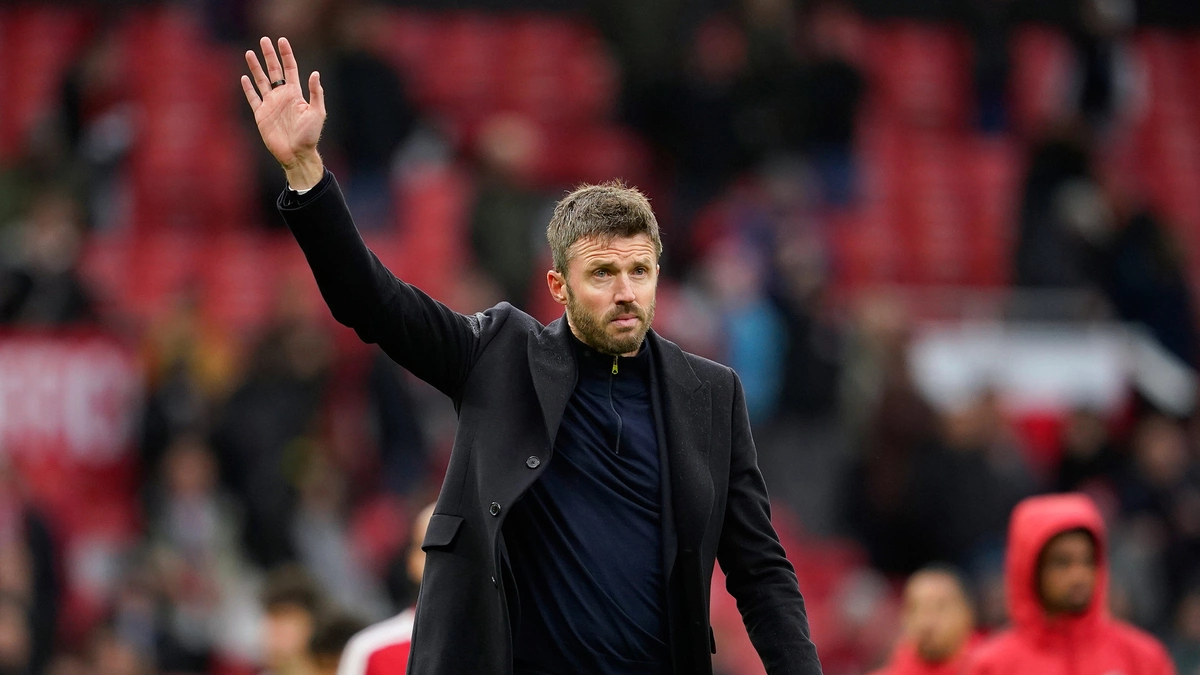
Michael Carrick is grappling with a power crisis at Manchester United, as players openly express their dissent and the team's performance continues to decline.
Why Manchester United Players Are Ignoring Carrick
Why this matters
The decision to bench Bruno Fernandes, Manchester United's captain, during a crucial match against Bournemouth has raised significant concerns about team dynamics and management authority. With the team now on an eight-match winless streak, the implications for Carrick's leadership and the overall morale of the squad are profound, especially in the context of the competitive nature of Ngoại hạng Anh football.
Background
Bruno Fernandes, as the captain of Manchester United, plays a pivotal role in the team's leadership and performance. His absence in the recent match against Bournemouth not only affected the team's dynamics but also highlighted the ongoing power struggle within the club, especially as they seek to turn around their fortunes in the Ngoại hạng Anh.
Key Takeaways
- Why Manchester United Players Are Ignoring Carrick.
- Michael Carrick is grappling with a power crisis at Manchester United, as players openly express their dissent and the team's performance continues to decline.
- Bruno Fernandes remains central to Manchester United's plans.
The public criticism from Fernandes highlights a disconnect between player and management regarding the team’s tactical direction. During the match against Como, Fernandes attempted to apply pressure on opposing defenders, but without coordinated support from teammates, his efforts were in vain. Carrick insists on player responsibility and spirit, but the diverging viewpoints create a complicated dynamic that undermines team unity. When a captain publicly questions the tactical framework, it places Carrick in a precarious position. Accepting Fernandes's stance could undermine his authority, while rejecting it risks further alienating a key player.
Despite Carrick's assertion that he aims to foster discipline, the fallout from excluding Fernandes raises concerns about the broader team culture and effectiveness. Carrick's decision to sideline Fernandes for the Bournemouth match—his first time not starting in an eligible Premier League game for nearly seven years—was a bold move. The captaincy was handed to Harry Maguire, and while Carrick claimed it was purely a tactical decision, it is difficult to separate it from Fernandes's recent public comments.
This tactical exclusion comes with significant risks; despite his recent decline in form, Fernandes remains United's most creative player, capable of orchestrating attacks and providing key passes. Without him, United struggled to apply pressure on Bournemouth, lacking control in midfield and failing to create meaningful chances. Bournemouth capitalized on United's defensive errors, scoring from set pieces and counterattacks. Even when the team needed goals, Carrick refrained from introducing Fernandes until the final whistle.
The consequences of this hardline stance could be detrimental if it does not yield results. While Carrick's intention to restore authority is clear, it has not translated into improved team performance. Ultimately, the challenges at Manchester United extend beyond Carrick's tactical choices. The squad's issues have been brewing for some time, particularly regarding transfer strategies and resource allocation. In the summer transfer window of 2026, United spent $218 million, focusing heavily on midfield reinforcements. However, they failed to adequately address gaps in other areas, such as left-back and striker positions, which has compounded their struggles as they return to Champions League action.
Moreover, the lack of fitness and intensity in the squad raises concerns about the adequacy of pre-season training. United's inability to compete physically with their opponents has been evident, leading to questions about the effectiveness of their training regimen. While significant financial investment does not guarantee a well-balanced squad, the issues have been exacerbated in the wake of the Bournemouth defeat. Players like Tyler Adams and Lewis Cook, while not stars, outperformed their more high-profile counterparts in terms of work rate and effectiveness. The midfield lacked cohesion and control, a challenge Carrick cannot rectify with mere personnel changes.
A coach can structure a team and instill tactical awareness, but if the players do not fit the system, building an effective style of play will encounter obstacles. Structural issues within Manchester United also require attention; the club has repeatedly changed managers, expecting each to create an instant turnaround. The likes of David Moyes, Louis van Gaal, Jose Mourinho, Ole Gunnar Solskjaer, Erik ten Hag, and now Carrick have all faced varying degrees of crisis at Old Trafford. Their contrasting styles from rigid discipline to more personable approaches share a commonality of instability and ineffective transfer strategies.
As Carrick faces the threat of becoming the next victim of this cycle, the impact of such crises not only undermines the current manager's authority but can also lead to a toxic atmosphere in the dressing room. When players witness successive managers being dismissed after periods of failure, they may perceive the coach as expendable. The role of club leadership cannot be overlooked; if a manager lacks strong backing in critical decisions, efforts to impose discipline may prove ineffective in the long run. Carrick requires genuine authority to manage his players effectively, but he also needs a squad that aligns with a clear tactical direction. Without one or the other, simply changing managers may result in temporary lifts before the old issues resurface.
What happens next
As Manchester United navigates this challenging period, the focus will likely shift to how Carrick can regain control and improve team performance. The upcoming matches will be critical for both Carrick's future and the players' ability to rally, particularly with Fernandes potentially returning to the lineup, which could impact the team's season outlook in the Ngoại hạng Anh.
Frequently Asked Questions
What was the score of the Manchester United vs Bournemouth match?
The score was 0-3 in favor of Bournemouth.
How does the loss to Bournemouth affect Manchester United's standings?
The loss extended Manchester United's winless streak to eight matches across all competitions.
Who was benched during the match against Bournemouth?
Bruno Fernandes was benched during the match against Bournemouth.
What is Manchester United's next fixture after the loss to Bournemouth?
The article does not specify the next fixture for Manchester United.
What issues are affecting Manchester United's performance this season?
Issues include increasing player power, tactical disagreements, limitations in Carrick's management style, and long-standing structural problems within the club.