Ajitpal Singh: Southeast Asian Teams Risk Losing Identity
October 12, 2026 · Javier Mendoza
Expert Ajitpal Singh cautions that the rising number of naturalized players in Southeast Asian teams may dilute the cultural identity of football in the region.
Ajitpal Singh: Southeast Asian Teams Risk Losing Identity
According to Vnexpress.
Why this matters
Ajitpal Singh's insights highlight a critical issue in Southeast Asian football, where the influx of naturalized players may threaten the cultural identity of national teams. As the FIFA ASEAN Cup 2026 approaches, this trend raises questions about the authenticity and emotional connection fans have with their teams. The balance between enhancing competitiveness and preserving cultural heritage is a delicate one that could shape the future of football in the region.
Key Takeaways
- Ajitpal Singh: Southeast Asian Teams Risk Losing Identity.
- Expert Ajitpal Singh cautions that the rising number of naturalized players in Southeast Asian teams may dilute the cultural identity of football in the region.
- Ajitpal Singh remains central to Malaysia's plans.
He emphasized that naturalization should serve to strengthen national teams and complement youth development, not replace it. "What are the federations developing if all weaknesses in the national team are solved through naturalization?" he questioned. Singh argued that national teams should reflect the true strength of their domestic football systems rather than masking deficiencies with foreign talent. While fans may accept the recruitment of players from various backgrounds at the club level, this should not be the same for national teams.
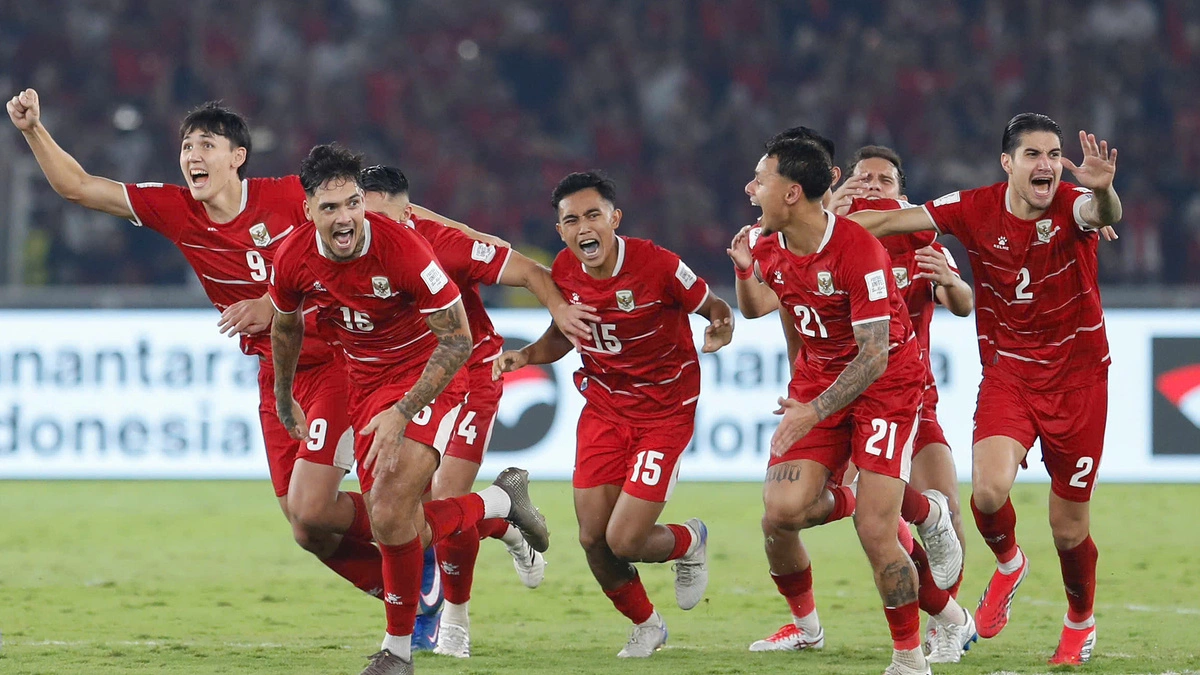
National pride, Singh suggested, stems from an emotional connection to one’s homeland, language, upbringing, culture, and identity. This does not imply that naturalized players cannot become citizens of Malaysia, Indonesia, Thailand, or Vietnam, but the increasing numbers may alter fans' perceptions of their national teams. "A notable image from the tournament is Bergson, a Malaysian player born in Brazil, competing against Kevin Diks, an Indonesian player born in the Netherlands. A fan might question whether they are watching a match between a South American team and a European one," Singh observed.
Despite Bergson being the top scorer for Malaysia in the tournament with four goals, Singh admitted it feels strange to see him don the Malaysian jersey. Bergson has been playing for Johor Darul Tazim, Malaysia's strongest club, since 2021, boasting an impressive scoring rate of nearly one goal per match over more than 200 appearances. Malaysia also features several other naturalized players, including Mohamadou Sumareh (Gambia), Paulo Josue, Endrick (Brazil), Manuel Hidalgo, Sergio Aguero (Argentina), and Romel Morales (Colombia). The number of mixed-heritage players is about 15.
The topic of naturalization has reached the Malaysian parliament during discussions on the revised Sports Development Bill, with MP Azli Yusof warning against reliance on foreign players. Meanwhile, MP Jelutong RSN Rayer questioned the pathway to nurturing homegrown talent, referencing Malaysia's history of producing legendary players like Datuk Mokhtar Dahari, Datuk Soh Chin Ann, and Datuk Arumugam. The scandal involving seven naturalized players during the final Asian Cup 2027 qualifiers has left significant repercussions. Nonetheless, football expert Richard Scully believes this issue remains manageable. He argues that naturalized players do not hinder local talent; rather, they elevate standards of play.
"The presence of players like Bergson draws defenders' attention, creating space for local talents such as Arif Aiman and Faisal Halim to thrive. That’s a significant advantage," Scully stated. He acknowledged that the influx of naturalized players has indeed raised the competitive bar, motivating both starting and substitute local players to enhance their skills. This has enabled Malaysia to adopt a more aggressive style of play instead of a deep defensive approach. Southeast Asian nations are generally open to utilizing players of mixed heritage, whereas Thailand maintains a steadfast policy against using non-local players. Singapore and the Philippines impose no limitations, while Vietnam insists on quality contributions that strengthen weaknesses in their national team. VFF Vice President Tran Anh Tu stated that after the national team coach's selections, VFF will evaluate to maintain balance and avoid hindering opportunities for local young players.
What happens next
As the FIFA ASEAN Cup 2026 in Indonesia draws near, teams will likely continue to evaluate their rosters, potentially increasing the number of naturalized players. This trend could lead to further discussions among fans and stakeholders about the implications for national identity in football. Observers will be keen to see how these dynamics play out during the tournament and whether they influence the future direction of Southeast Asian football.
Frequently Asked Questions
Who is Ajitpal Singh?
Ajitpal Singh is a football expert who has expressed concerns about the impact of naturalized players on the cultural identity of Southeast Asian football.
What is the FIFA ASEAN Cup?
The FIFA ASEAN Cup is a football tournament featuring national teams from Southeast Asia, with the next edition scheduled for 2026 in Indonesia.
How many naturalized players are in the Philippines national team?
The Philippines national team has included 19 naturalized players.
What concerns does Ajitpal Singh have about naturalized players?
Ajitpal Singh is concerned that the increasing number of naturalized players could jeopardize the cultural identity of Southeast Asian national teams.
Which Southeast Asian teams are mentioned in relation to naturalized players?
The teams mentioned are Malaysia, Indonesia, Việt Nam, Thái Lan, Philippines, and Singapore.